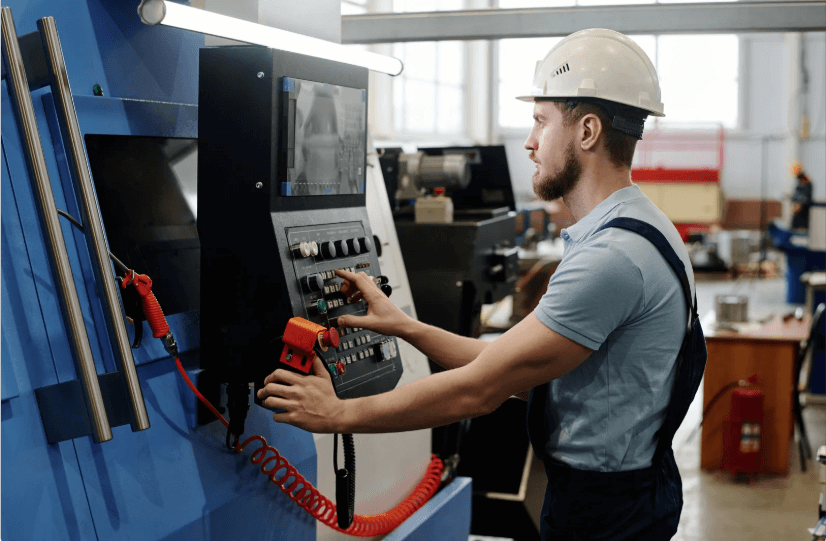
Componentes electrónicos de plástico moldeado por inyección y fabricante de moldes de plástico
Topworks builds plastic electronics component molds in China — enclosures, connectors, insulators, and structural housings for consumer electronics, telecom, and automotive-electronic assemblies. Work runs across ABS, PC, PC/ABS, and high-performance PPS for connector housings and under-hood sensor parts rated above 200°C. Standard tolerance holds ±0.1 mm; ±0.05 mm with careful process control. Tooling covers everything from simple single-cavity prototype molds to multi-cavity, multi-shot production tools combining rigid and soft-touch materials.
| Spec | Detail |
|---|---|
| Common materials | ABS, PC, PC/ABS (housings) · PPS, glass-filled nylon (connectors, high-heat parts) |
| Typical parts | Enclosures, connector housings, insulators, bobbins, switch housings, LED reflectors, snap/boss features |
| PPS processing | 290–340°C barrel, 130–150°C mold temp (hot-oil TCU required) — for parts rated 200°C+ continuous |
| Standard tolerance | ±0.1 mm comfortably · ±0.05 mm achievable with process control |
| Advanced options | Multi-shot molding (hard + soft-touch), insert molding (metal threaded inserts), in-mold electronics (IME) |
| Mold steel | H13/SKD for PPS and high-heat resins · P20/S136 for standard ABS/PC housings |
| Mold life | 500,000–1,000,000+ rated cycles, lifetime defect warranty |
Agilice la fabricación de componentes electrónicos y eléctricos con nuestros moldes de plástico especializados. Ofrecemos moldes de inyección de precisión para la producción de grandes volúmenes de piezas de plástico de calidad para electrónica, controles eléctricos, conectores, carcasas y mucho más.
Nuestra amplia colección de moldes permite la fabricación de bobinas de alambres y cables aislados, cajas de disyuntores, tapas de tomas de corriente, placas de interruptores, accesorios de conductosy otros innumerables componentes de plástico vitales para los sistemas eléctricos. También proporcionamos moldes para bloques de subdivisión, bridas para cables, conectores de cables y otras piezas moldeadas por inyección.
Construidos con acero de primera calidad y un excelente mecanizado, nuestros moldes ofrecen una durabilidad y una precisión dimensional insuperables para unos resultados de producción constantes. Nuestros expertos diseñadores de moldes optimizan los diseños para lograr tiempos de ciclo rápidos, bajos índices de desechos y costes de fabricación reducidos.
Con capacidad para moldes multicavidad, inyección de dos disparos, moldeo asistido por gas y otras técnicas avanzadas, ofrecemos la solución de moldeo ideal para su aplicación específica. Confíe en nuestros años de experiencia en la fabricación de moldes eléctricos y electrónicos para aumentar la eficiencia.
Lo que moldeamos para sistemas electrónicos y eléctricos
- Conectores y carcasas: carcasas de conectores, conectores de cables, tapas de terminales
- Cerramientos: cajas de control, carcasas de sensores, carcasas de dispositivos pequeños
- Accesorios eléctricos: tapas de enchufes, placas de interruptores, accesorios de conductos
- Piezas de producción: carretes de cable, bridas de cable, bloques de subdivisión
Componentes electrónicos moldeados por inyección: Complejidad del diseño y coste
Los componentes electrónicos de consumo moldeados por inyección pueden ser intrincados o simples. El moldeo de componentes electrónicos de plástico intrincados puede ser económico porque pueden combinar muchas piezas en una sola y ahorrar así el coste de fabricación y unión de varias piezas separadas. Las juntas deben mecanizarse y atornillarse. Pueden producirse desalineaciones y aflojamientos durante las vibraciones. Las piezas moldeadas en arena de varias toneladas de peso (como el bastidor de una locomotora) se han fabricado con ventaja gracias a su capacidad para combinar varias partes en una sola pieza.
Cuanto más complicado sea el componentes electrónicos moldeados, más ingenio y control. Cuanto más sencillos sean los componentes electrónicos, menor será el coste del molde de plástico y del equipo de diseño y, por tanto, más baratos serán los componentes electrónicos. Las variaciones de tamaño y resistencia pueden ser más difíciles de controlar en componentes electrónicos moldeados más complejos, por lo que puede ser necesario un moldeador más cualificado.

El diseño de los componentes electrónicos que se van a moldear depende del comportamiento del material plástico al enfriarse, de la construcción del molde y de las funciones de la pieza en servicio. El arte del moldeo ha progresado hasta tal punto que prácticamente se puede moldear cualquier cosa que esté dentro del tamaño del equipo disponible. Puede que hoy en día no resulte económico moldear la pieza, pero dentro de unos años el proceso puede mejorarse de forma que resulte económico rediseñar la pieza a partir de un diseño de chapa o soldado para convertirla en una pieza electrónica moldeada por inyección. Hacer que un componente moldeado sea sencillo y fácil exige la mayor habilidad y el mejor juicio sobre el componente electrónico por parte del diseñador y del fabricante del molde.
Los procesos de moldeo de plásticos utilizan un molde en el que entra y se enfría un material plástico fluido fundido. Al solidificarse, el material adopta la forma de la cavidad del molde del componente electrónico. El estado líquido o altamente plástico del material durante el moldeo lo distingue de los procesos de forja o extrusión, en los que el material se moldea sólo en estado plástico bajo altas presiones. En estos últimos casos, el metal ha recibido tratamientos mecánicos, mientras que en los primeros no.
Fotos de moldeo por inyección


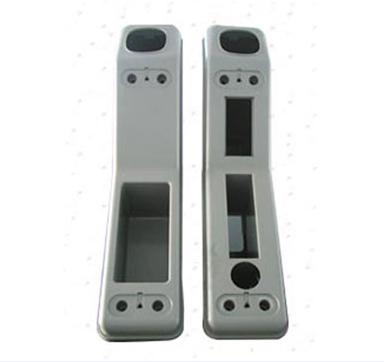


Procesos de moldeo por inyección: Cuatro elementos principales
- el patrón,
- el molde y los núcleos,
- la parte,
- el material.
What Our Clients Say
Real feedback from customers who have worked with us on their projects.
I’m glad to inform you that all plastic parts are perfect!!! We are delighted, and therefore there are good chances to continue our relationship for any coming new project.
Steven is a very detail-oriented project manager and engineer who can solve problems creatively and also provides excellent service. It was a pleasure working with him.
What Our Clients Say
Real feedback from customers who have worked with us on their projects.
I’m glad to inform you that all plastic parts are perfect!!! We are delighted, and therefore there are good chances to continue our relationship for any coming new project.
Steven is a very detail-oriented project manager and engineer who can solve problems creatively and also provides excellent service. It was a pleasure working with him.
MATERIAL
Entre los grupos de aleaciones que se utilizan para el moldeo de plásticos figuran los siguientes:
1. Ferroso
- a. Hierros fundidos (lisos)
(aleado [Cr, Ni, Mo y otros])(blanco) - b. Hierros maleables y perlíticos maleables (lisos y aleados)
- c. Aceros (al carbono [bajo-medio-alto])
(aleación [baja-media-alta])(resistente al calor y a la corrosión [Fe-Cr, Fe-Cr-Ni])
2. No ferrosos
- a. Aleaciones base aluminio (ligeras y fáciles de mecanizar)
- b. Aleaciones base magnesio
- c. Aleaciones base cobre (duras y refrigerantes)
- d. Aleaciones base níquel (Ni-Mo-Fe, Ni-Mo-Cr-Fe)
- e. Aleaciones a base de plomo
- f. Aleaciones a base de estaño
- g. Aleaciones a base de titanio
- h. Aleaciones a base de zinc
3. Aleaciones resistentes al calor y a la corrosión
- a. Aleaciones a base de cobalto (estelita, vitalio)
- b. Aleaciones base cromo
La temperatura de inyección del plástico fundido y el acabado requerido determinan el tipo de molde y el material utilizado para fabricar los moldes. Es necesario controlar las temperaturas de inyección dentro de un rango estrecho para obtener resultados constantes.
Algunos materiales son viscosos y no fluyen fácilmente en los moldes, sobre todo si se enfrían ligeramente al chocar con la superficie del molde. Los metales son pesados con respecto a los materiales de molde no metálicos;
si fluyen con demasiada rapidez, lavarán los moldes y recogerán materias extrañas. El líquido pesado puede hacer flotar tanto los machos como la coquilla a medida que el metal entra en el molde. Esto provoca el desplazamiento de los machos y la deformación del molde.
Para contrarrestar esta presión del líquido se utilizan pesos en los moldes y las abrazaderas. Un alimentador de 1 pie de altura para un material ferroso típico ejercerá 4 psi sobre un núcleo. Si el núcleo tiene una superficie de 5 x 8 pulgadas, la fuerza ejercida para desplazarlo de su sitio sería de 160 libras. El pesado material fluido caliente debe ser guiado a su lugar sin dañar el molde ni contaminar el material. Esta masa de material plástico fundido o sólido caliente no tiene resistencia a temperaturas superiores y cercanas al punto de fusión. Por lo tanto, el molde de plástico y los núcleos deben soportar el material hasta que se enfríe hasta el punto en que sea lo suficientemente fuerte como para soportar su propio peso.
SOLIDIFICACIÓN
Como el el material plástico caliente se enfríase contrae durante el estado fluido, durante la solidificación y como sólido. Esta reducción de volumen puede oscilar entre el 2% y el 15% según el material. (Algunos materiales no se contraen durante la solidificación, concretamente el bismuto y el galio).
- ABS 0,3~0,8 2
- HDPE 2~5.0 10
- HIPS 0,2~0,6
- HPVC 0.6~1.0 12
- LCP 0,006
- LDPE 1.5~5.0 14
- PA6 0,6~1,4 16
- PA6+30%GF 0,3~0,7 17
- PA66 0,8~1,5
- PA66+30%GF 0.2~0.8
- PASF 0,8
- PBT 0,44
- PBT+30%GF 0,2
- PC 0,5
- PC+30%GF 0,2
- PET+30%GF 0.2~0.9
- PMMA 0,2~0,8 34
- POM 1.5~3.5 35
- POM+25%GF
- PP 1~2,5 38
- PP+30%GF 0,4~0,8
- PPS+40%GF <0,12
- PS 0.4~0.7
La contracción no debe restringirse mientras el material es débil o se desgarrará o agrietará; por lo tanto, los moldes y los núcleos deben ceder o soltarse bajo la presión. A medida que el material fluido golpea la superficie del molde, se enfría y se solidifica una fina capa de material, a la que sigue el crecimiento dendrítico progresivo hasta que toda la sección es sólida. Si las secciones tienen un espesor uniforme, la sección tiende a ser un sólido homogéneo.
Las propiedades no direccionales del moldeo están asociadas a la distribución aleatoria de los cristales metálicos y las dendritas desarrolladas durante la congelación. Las orientaciones direccionales de las dendritas y el efecto de la fibrosidad en las propiedades pueden obtenerse en un moldeo mal diseñado. La no direccionalidad de las propiedades es una clara ventaja del moldeo. Si la sección es mayor en determinados puntos y las capas enfriadas del exterior no pueden contraerse a medida que se enfría el centro, se producirán huecos porque no hay material para rellenar el espacio. Esta condición requiere alimentadores para introducir material fundido o viscoso en estas zonas mientras el material se solidifica.
La velocidad de solidificación es:
- (1) directamente proporcional a la tasa de transferencia de calor a través de las paredes del molde,
- (2) directamente proporcional a la superficie,
- (3) inversamente proporcional a la masa de fundición.
Estos tres factores ilustran las relaciones entre la solidificación de las aleaciones metálicas y la forma y el tamaño del molde. Dado que la tasa de transferencia de calor a través de las paredes del molde varía poco, la relación más importante reside en la relación superficie-volumen.
En el proceso de solidificación puede desarrollarse un tamaño de grano de dendrita relativamente grande como resultado de la velocidad de congelación o del tamaño de la sección del molde de plástico. Las piezas fundidas de gran tamaño y los lingotes se congelan con granos gruesos. Las piezas de fundición de sección fina, o las piezas de fundición fabricadas en moldes metálicos, desarrollan un tamaño de grano fino debido a la rápida congelación. Normalmente, un tamaño de grano fino es deseable, ya que se obtienen valores más altos de ductilidad y resistencia al impacto con un nivel determinado de resistencia a la tracción.
Puntos calientes o blandos
Los puntos calientes o blandos son las últimas partes del moldeo por inyección en solidificarse. Suelen producirse en los puntos donde una sección se une a otra, o donde una sección es más pesada que la contigua, por ejemplo, en una esquina cuadrada. El exterior de la esquina debe redondearse para reducir el cambio de sección.
Preguntas frecuentes sobre el moldeo por inyección de componentes electrónicos
P1: ¿Qué piezas electrónicas son las más adecuadas para el moldeo por inyección?
Los conectores, carcasas, cajas, soportes, accesorios para cables y componentes de gran volumen con geometría repetible suelen ser ideales. El material, el grosor de las paredes y los requisitos estéticos determinan la mejor estrategia.
P2: ¿Pueden fabricar moldes multicavidad para componentes electrónicos?
Sí. El utillaje multicavidad es habitual para piezas pequeñas como conectores y tapones. Diseñamos para un llenado equilibrado, una expulsión estable y unas dimensiones uniformes en todas las cavidades.
P3: ¿Qué documentos debo enviar para obtener un presupuesto rápido?
Archivo STEP/IGES 3D, dimensiones/tolerancias clave 2D, material y color, definición de superficie/cosmética (A/B/C), volumen anual y cualquier interfaz de ensamblaje crítica.
P4: ¿Apoyan el moldeo por inserción o el moldeo por dos disparos?
Podemos apoyar el moldeo por inserción y los procesos avanzados en función de la estructura y el volumen de la pieza. Comparta su diseño y requisitos para que podamos confirmar la viabilidad y el enfoque de las herramientas.