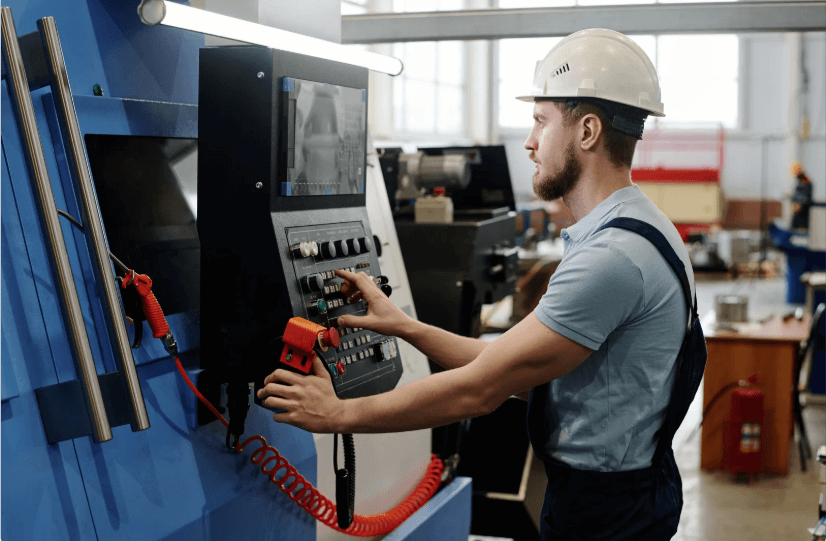
Automotive Plastic Injection Mold Solutions
Topworks provides custom plastic injection mold solutions for automotive bumpers, grilles, door-related parts, and interior and exterior trim. Our mold business began in 2006. For each automotive tooling project, we review part geometry, material, target volume, surface requirements, dimensional tolerances, mold construction, and trial acceptance criteria before confirming the production plan.

- Bumper, grille, door, trim moulds
- Mold business established in 2006
- Large single-piece tooling
- Class-A surface requirements reviewed in DFM
Why choose Topworks for automotive tooling
Expertise
Our mold business dates to 2006. For automotive programs, we review part size, mounting features, projected area, surface-finish expectations, and dimensional requirements to define a suitable tooling approach.
High performance
Tool steel selection, runner and gate design, cooling layout, and moving mechanisms are evaluated against resin, part geometry, projected production volume, and the agreed process window. Mold trials help verify performance before acceptance.
Entrega rápida
We plan design review, machining, assembly, mold trials, revisions, and shipping around project milestones. Lead times and shipment schedules are confirmed according to mold complexity, supplier inputs, and agreed approval requirements.
Strong molds
We select steel grades, wear components, and maintenance provisions based on expected production volume and tooling duty. Service-life targets depend on the approved design, molding conditions, and preventive maintenance.
Automotive parts we tool
Exterior
Front and rear bumper fascias, radiator grilles, exterior trim, and body-related plastic panels, including applications where visible surfaces and long-part dimensional stability require particular attention.
Doors & interior
Door-related plastic components, interior trim, instrument-panel parts, and center-console components, with tooling requirements determined by mounting features, texture, appearance, and assembly fit.
Functional
Air vents, functional housings, and selected under-hood components where specified resin properties, thermal conditions, functional fit, and dimensional tolerances influence tooling design.
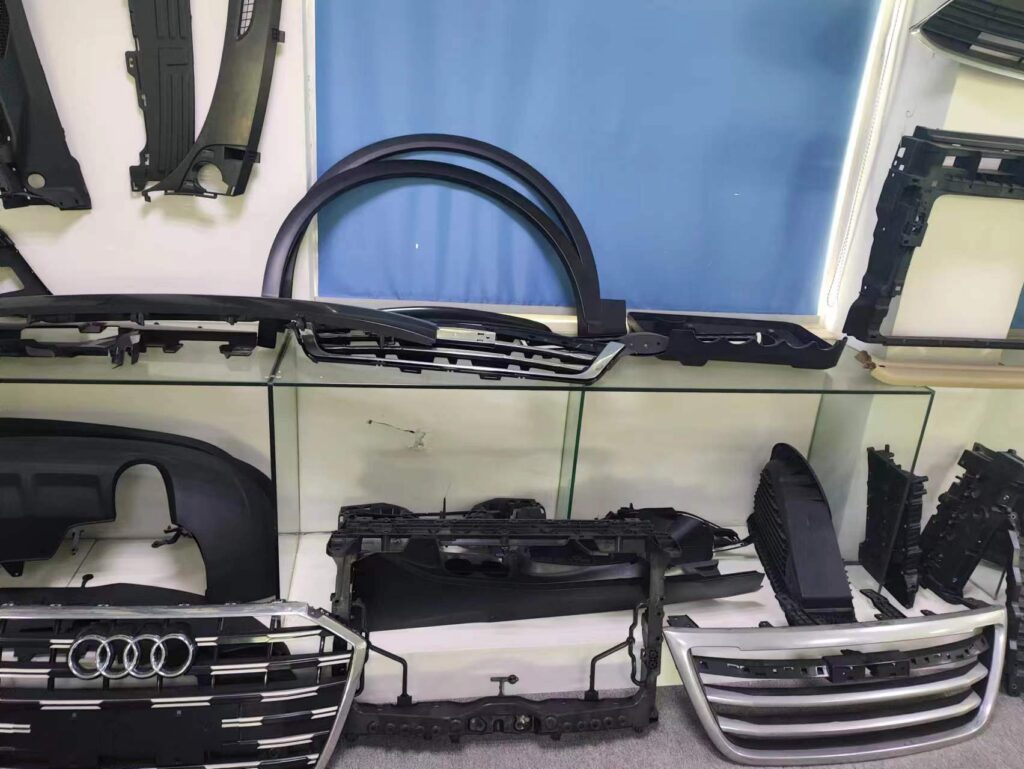
See our automotive tooling shop
Automotive mould gallery




Building an automotive part?
Send your 3D part data (such as STEP), resin specification, appearance requirements, and annual production volume. We can review manufacturability, steel selection, cooling, gating, press requirements, and quotation scope based on the information supplied.
- Bumper, grille, door & trim tooling
- Class-A surface & large-part capability
- Project-specific tooling milestones and delivery planning
Automotive mold FAQ
What automotive plastic molds do you make?
We work on tooling for bumper fascias, grilles, door-related plastic parts, interior and exterior trim, instrument-panel components, air vents, and selected functional housings. Tool size, cavity layout, resin, and molding method are evaluated for each application.
When did Topworks start its mold business?
Topworks began operating in the plastic mold business in 2006. This is the start of our mold business, not a claim that the company was formally incorporated in that year or that every year was dedicated exclusively to automotive tooling.
What makes an automotive mold different from a general mold?
Automotive tooling often has to balance large part dimensions, mounting and assembly features, appearance requirements, resin shrinkage, and production-volume targets. These factors affect mold steel, gate location, cooling, moving mechanisms, press selection, and trial acceptance criteria.
Can you deliver molds quickly for automotive programs?
We prepare a project schedule that covers design review, material procurement, machining, assembly, mold trials, revisions, and shipment. The confirmed lead time depends on tool complexity, design approvals, trial outcomes, and logistics.
How durable are your automotive molds?
Tool life depends on the approved steel and component selection, part design, resin, molding process, maintenance, and production volume. We discuss the expected shot-life target and inspection or maintenance requirements for each project rather than treating a single lifespan as guaranteed.