Hersteller von Formen für Stoßfänger in China
Quick Answer
Topworks Plastic Mold is a China-based automotive bumper mould manufacturer building hot-runner tooling for TPO and PP+EPDM fascia parts, engineered for Class-A surface finish and stable cycle time. Large bumper or appliance moulds with hot runners typically run US$50,000–$80,000; medium-complexity multi-cavity automotive moulds run $15,000–$30,000. Standard lead time is 35–55 days from DFM approval. Moulds use certified P20, H13, S136, or NAK80 steel and are rated for 500,000–1,000,000+ cycles, backed by a lifetime warranty against manufacturing defects.
- Material capability: TPO and PP+EPDM fascia resins
- Gating: Sequential valve gate (SVG) hot runner for long-flow, Class-A bumper surfaces
- Mould steel: P20, H13, S136, NAK80, 718H — genuine Hasco/DME/LKM standards, no substitution
- Cost band: $15,000–$30,000 (mid-complexity automotive) up to $50,000–$80,000 (large hot-runner bumper)
- Lead time: 35–55 days from DFM approval (production moulds 40–55 days; hot-runner multi-cavity 55–75 days)
- Mould life / warranty: 500,000–1,000,000+ rated cycles; free repair or replacement if it fails early due to workmanship
- Process: Free DFM review on every project, T1 samples in ~35–50 days, DDP shipping to 50+ countries

Stoßfänger-Spritzgussformen für die Automobilindustrie: Werkzeugbau + Produktionsunterstützung
DFM-First-Engineering - Heißkanal- / sequentielle Nadelverschlussoptionen - Unterstützung einer stabilen Massenproduktion
- Gussform TypFormen für vordere Stoßstange / hintere Stoßstange / Stoßfängerabdeckung
- Teil GrößeTypischerweise 1500-2500 mm (projektabhängig)
- MaschineNormalerweise 2500-3500 Tonnen (je nach Größe/Material)
- LäuferKalt- oder Heißkanal; sequenzieller Nadelverschluss optional
Schnelle Fakten: Automobil-Stoßfänger-Formen
- Typ der Gussform: Formen für vordere Stoßstange / hintere Stoßstange / Stoßfängerabdeckung (Pkw, SUV, Nutzfahrzeuge)
- Typische Stoßfängerlänge: etwa 1500-2500 mm (projektabhängig)
- Typische Klammertonnage: etwa 2500-3500 Tonnen (je nach Größe/Material des Teils)
- Läufersystem: Kalt- oder Heißkanal; sequenzieller Nadelverschluss optional für kosmetische Kontrolle
- Stahl-Optionen: P20 / 2738 / 718H / H13 (je nach Harz, Leistung und Oberflächenanforderung)
- Typische Zykluszeit: ca. 90-150 s (je nach Dicke und Kühlung)
Wenn Sie ein schnelles und genaues Angebot wünschen, senden Sie uns Ihre 3D-Datei (STEP/IGES) und Ihre Anforderungen. Wir antworten mit einer Werkzeugstrategie (Anschnitt/Kühlung/Auswurf) und einem klaren Vorlaufzeitplan.
What Our Clients Say
Real feedback from customers who have worked with us on their projects.
I’m glad to inform you that all plastic parts are perfect!!! We are delighted, and therefore there are good chances to continue our relationship for any coming new project.
Steven is a very detail-oriented project manager and engineer who can solve problems creatively and also provides excellent service. It was a pleasure working with him.
Was ist eine Stoßstangenform?
A Stoßfängerform ist ein Spezialwerkzeug für die Herstellung von Stoßfängern im Spritzgussverfahren. Es ist für große Teilegrößen, stabile Maßkontrolle und gleichbleibende Oberflächenqualität ausgelegt. Eine gut gebaute Stoßfängerform hilft den Herstellern, die Wiederholbarkeit zu verbessern, die Nacharbeit zu reduzieren und eine zuverlässige Montagepassung zu gewährleisten.
Stoßfänger-Formen verstehen: Wichtige Punkte, die die Qualität beeinflussen
- Gate & runner strategy: kontrolliert die Schweißnähte und das Aussehen der Oberfläche auf den A-Flächen
- Kühlungsbilanz: der wichtigste Faktor für die Verzugskontrolle bei großen Stoßfängerteilen
- Entlüftung: verhindert Gaseinschlüsse, Brandflecken und kurze Schüsse
- Auswurfkonstruktion: vermeidet sichtbare Auswerfermarken an kosmetischen Stellen
- Steel & heat treatment: unterstützt die Lebensdauer der Werkzeuge und eine stabile Produktion
Weiterführende Lektüre: Grundprinzip des Spritzgießens.
Wie man die beste Stoßfängerform auswählt: Praktische Checkliste
- Steel & wear resistance: Auswahl der geeigneten Stahlsorte für die Harzart und die erwartete Leistung
- Size & parting strategy: Bestätigen Sie, dass Trennebene, Hinterschneidungen, Schieber/Heber und Teilegröße übereinstimmen.
- Konstruktion der Kühlung: optimierte Wasserkanäle/konforme Ideen zur Reduzierung des Verzugs und Stabilisierung der Zykluszeit
- Heißkanal / sequentieller Nadelverschluss (optional): trägt zur Verbesserung der kosmetischen Qualität und der Kontrolle der Schweißnaht bei
- Leistungsfähigkeit der Lieferanten: Erfahrungen mit Werkzeugen für die Automobilbranche, mit der Bemusterung von Produkten und mit der Nachbetreuung zu überprüfen
Topworks Automotive Stoßfänger Formen Fähigkeiten
Topworks konzentriert sich auf die Herstellung von Stoßfängerformen für die Automobilindustrie mit DFM-First-Engineering und produktionsorientiertem Werkzeugdesign. Mit mehr als 10 Jahren Erfahrung im Werkzeugbau und in der Fertigung unterstützen wir sowohl die Herstellung von Prototypen/Brückenwerkzeugen als auch von Produktionswerkzeugen im eigenen Haus.
Wir stellen kundenspezifische Stoßfängerformen her, einschließlich Heißkanalsystemen (mit Zeitsteuerung und Nadelverschluss) und kanalfreien Lösungen, die auf Ihren Anforderungen an Design und Aussehen der Teile basieren. Wir unterstützen auch die Montage/Bearbeitung, wenn das Projekt eine enge Passform oder besondere Merkmale erfordert.
Wir verwenden Stahlsorten wie P20 und 2738 für die Formen von Stoßfängern für die Automobilindustrie und entwickeln Anschnitte, Kühlung und Entlüftung, um stabile Teile mit gleichbleibender Qualität zu erhalten.

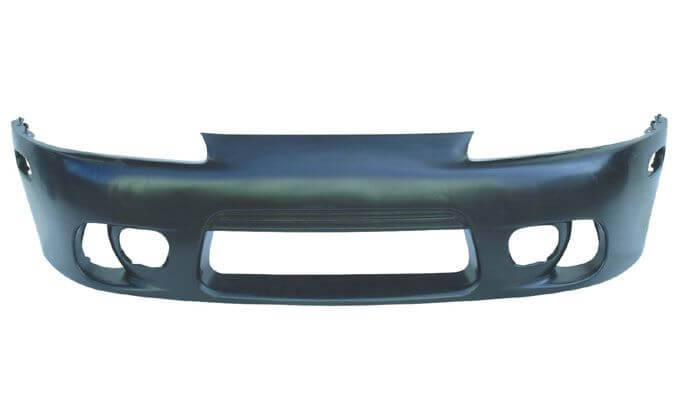
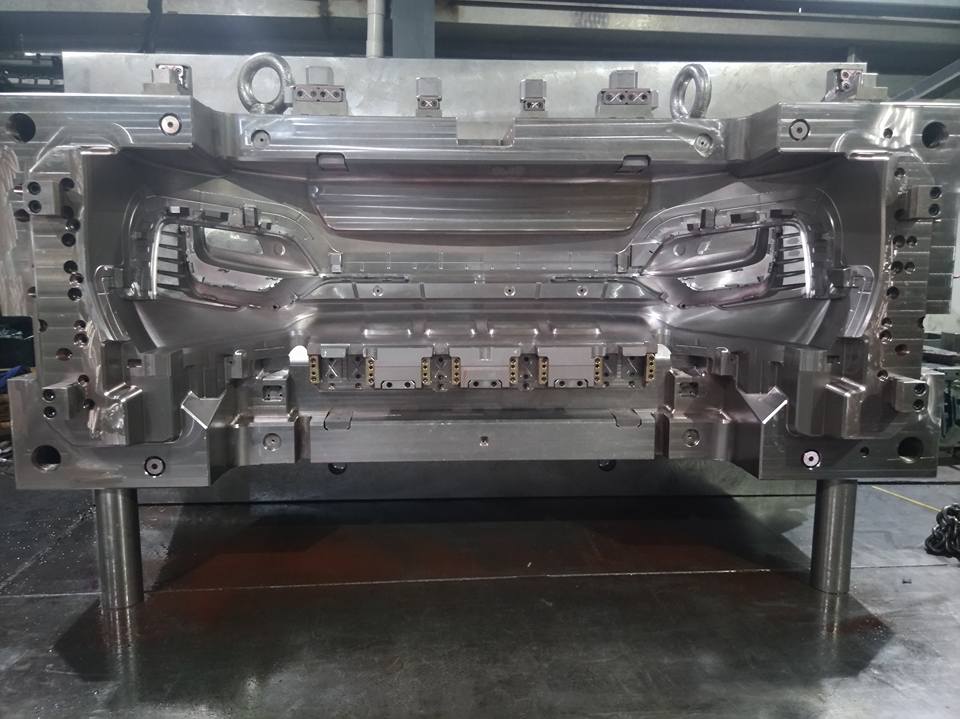
Automobil-Stoßfängerformen Fotos





Der Bedarf an spezialisierten Formenbauern für Stoßfänger
Formen für Stoßfänger stellen im Vergleich zum normalen Kunststoffspritzguss besondere Anforderungen. Die Formen müssen hohen Aufprallkräften standhalten und dennoch präzise, haltbare Kunststoffstoßfänger produzieren. Formen für die Automobilindustrie verwenden höherwertiger Stahl und Bearbeitung als Formen für Konsumgüter. Der Formenbauer muss über Fachwissen in der Konstruktion von Formen mit hohen Toleranzen verfügen, um komplexe gekrümmte Oberflächen, große Teile und die Kontrolle des Aussehens zu berücksichtigen.
Wenn Sie sich für einen Formenbauer ohne Erfahrung in der Automobilindustrie entscheiden, müssen Sie möglicherweise mit unstabilen Lieferzeiten, uneinheitlichen Wandstärken, Oberflächenfehlern und Problemen bei der Montage rechnen. Ein qualifizierter Lieferant sollte eine klare Designkontrolle, Bearbeitungsmöglichkeiten und einen wiederholbaren Bemusterungsprozess nachweisen.
RFQ-Checkliste (Was Sie für ein schnelles Angebot senden sollten)
- 3D-Datei: STEP / IGES
- 2D-Zeichnung: Hauptabmessungen, Toleranzen, Bezugspunkte
- Material & color: PP / modifiziertes PP / Talkum oder GF verstärkt / PC/ABS / TPO, etc.
- Kosmetische Definition: A/B/C-Flächen + akzeptable Schweißnaht-/Anschnittrestezonen
- Annual volume & target output: erwarteter Produktionsplan und Zykluszeitziel
- Montageanforderungen: Hinweise zum Einbau in das Fahrzeugmodell, kritische Schnittstellen, Clips/Bohrungen
Prozess: Vom DFM zur Produktion
- DFM-Bewertung: Trennebene, Entwurf, Hinterschneidungen, Anschnitt, Kühlung, Entlüftungsplan
- Entwurf der Gussform: Kufenbalance, Kühlungsanordnung, Auswurfstrategie, Schieber-/Heberdesign
- Machining & assembly: CNC / EDM / Wärmebehandlung / Polieren / Montage
- Probenahme (T0/T1): Probeaufnahmen + Maßkontrolle + Verbesserungsliste
- Genehmigung: Goldenes Muster + Dokumentation für Wiederholbarkeit
- Unterstützung der Massenproduktion: Prozessfenster + Wartungsplan
Auto-Stoßstangen-Formen FAQ
F1: Welche Formen für Stoßstangen stellen Sie in China her?
Wir fertigen Spritzgussformen für vordere Stoßstange, hintere Stoßstange und Stoßstangenabdeckungen in Pkw, SUV und Nutzfahrzeugen. Wir unterstützen verschiedene Stoßfängergrößen und können kundenspezifische Formen mit internen oder externen Trennungsstrategien entwerfen, um den Anforderungen an das Erscheinungsbild gerecht zu werden.
F2: Wie lange soll eine Spritzgussform für einen Stoßfänger halten?
Die Lebensdauer der Werkzeuge hängt von der Konstruktion des Teils, dem Harz, der Stahlsorte (in der Regel 2738, 718H oder H13), der Wartungshäufigkeit und den Produktionsbedingungen ab. Bei ordnungsgemäßer Reinigung und Wartung der Kühlkanäle können die Stoßfängerformen über lange Zeiträume hinweg eine stabile Leistung erbringen.
F3: Wie lang ist der durchschnittliche Produktionszyklus beim Gießen von Stoßfängern für Autos?
Typische Zykluszeiten liegen bei 90-150 Sekunden je nach Stoßfängergröße, Wandstärke und Kühlungsbedarf. Wir optimieren die Kühlung und das Design der Kufen, um Stabilität und Effizienz zu verbessern.
F4: Verwenden Ihre Formen für Stoßfänger Heißkanalsysteme und sequentielle Nadelverschlüsse?
Ja. Wir können Stoßfängerformen mit Heißkanallösungen und sequenziellen Mehrpunkt-Nadelverschlusssystemen liefern, um Schweißnähte auf den sichtbaren Oberflächen zu kontrollieren, was für Außenteile im Automobilbereich wichtig ist.
Q5: Wie lange ist die Vorlaufzeit für eine kundenspezifische Stoßstangenform in China?
Die typische Lieferzeit für Formen beträgt oft 70-80 Tage nach der endgültigen Genehmigung des Entwurfs, je nach Komplexität und Spezifikationen. Dazu gehören Bearbeitung, Erodieren, Wärmebehandlung, Polieren, Montage und Formprüfung.
F6: Welches Kunststoffmaterial wird für Stoßstangen verwendet?
Zu den gängigen Materialien gehören PP, modifiziertes PP, mit Talkum oder Glasfasern verstärktes PP, PC/ABS-Mischungen und TPO. Wir können Optionen vorschlagen, die auf den Anforderungen an die Stoßfestigkeit, die Temperaturbeständigkeit und die gesetzlichen Anforderungen basieren.
F7: Stellen Sie Formen für Stoßstangen mit mehreren Kavitäten her?
Die meisten Stoßfängerformen sind aufgrund der großen Teilegröße und der hohen Schließkraft einkavitätig. Wir können Familienformkonzepte für bestimmte Links/Rechts-Teile oder 1+1-Setups unterstützen, wenn dies machbar ist.
Q8: Können Sie kundenspezifische Formen für Auto-Stoßstangen herstellen?
Ja. Wir unterstützen komplexe Stoßfängerformen, einschließlich verdeckter Trennstrategien, Heber für Hinterschneidungen, Schieber für seitliche Befestigungslöcher und optimierte Anschnitte, Kühlung und Auswerfer, um Defekte zu reduzieren und das Aussehen zu verbessern.
Erhalten Sie ein schnelles Angebot für Ihre Stoßfängerform
Senden Sie uns Ihre 3D-Datei + Material + Oberflächenanforderungen. Wir antworten mit DFM-Hinweisen, Werkzeugstrategie, Vorlaufzeit und einem klaren Angebot.
Schneller RFQ-Tipp: STEP/IGES + Material + A/B/C-Oberflächendefinition hilft uns, schneller mit der richtigen Anschnitt-/Kühlungsstrategie zu antworten.
Stoßfängerformen für die Automobilindustrie - Schlüsselspezifikationen
Großes Spritzgießwerkzeug für dünnwandige Stoßfängerteile (PP+EPDM / TPO / PP+Talc), mit Heißkanaloptionen, komplexen Seiteneingriffen und technischer Kühlung für eine stabile Massenproduktion.
| Produkt | Automobil-Stoßfänger-Spritzgießform (vorne/hinten, angepasst an Teil und Fahrzeugplattform) |
|---|---|
| Kunstharz (typ.) | PP+EPDM-T20 / TPO / PP+Talc (Kundenspezifikation); UV / Schlagzähigkeit / Farbmasterbatch optional |
| Optionen für Hohlräume | 1×1 (Standard); optionales Familienwerkzeug (LH/RH) je nach Teilegröße und Pressenkapazität |
| Läufer & Tor | Heißkanal empfohlen; Die Toroptionen umfassen sequentieller Nadelverschluss (SVG) und thermisches Pin-Gate. Typisch: 4-10 Tropfen (Layout hängt von der Fließlänge und den Erscheinungszonen ab) |
| Teilung & Struktur | Große Trennfläche mit externen/internen Absperrungen; modulare Einsätze für Wartungsfreundlichkeit |
| Seitliche Aktionen | Mehrere Schieber/Heber für Hinterschneidungen und Seitenlöcher; Hydraulikzylinder/Winkelstifte als Option |
| Auswurf | Druckstücke + Auswerferstifte + Abstreifer (nach Bedarf); optional Stickstofffedern / hydraulische Rückstellung für lange Hübe |
| Kern- und Hohlraumstahl | P20 / 718H / 2738 (typ.); optional NAK80 für höhere Politur; optional S136 für Korrosionsbeständigkeit |
| Basis der Form | P20 / 2738 / 4Cr13 Standard-Formboden (kundenspezifische Größe für Presse und Teil) |
| Härte (typ.) |
Platten / Gleiter / Verschleißteile: HRC 30-35 Kern- und Hohlraumeinsätze: HRC 33-38 (pre-hard) oder HRC 48-52 (wärmebehandelt, je nach Anforderung) Absperr-/Verschleißstreifen: nitriert/beschichtet optional |
| Kühlung | Wasserkühlung in mehreren Kreisläufen mit Umlenkblechen/Blasen; gleichmäßige Temperaturregelung über lange Strömungslängen |
| Zykluszeit (typ.) | 60-80 s (abhängig von Wandstärke, Harz, Kühleffizienz, Maschinen- und Prozessfenster) |
| Standzeitziel | 300.000 - 1.000.000 Schüsse (abhängig von Stahlsorte, Oberflächenbehandlung, Wartungsstandard) |
| Vorlaufzeit (typ.) | 8-14 Wochen (abhängig von Größe, Heißkanaltyp, Anzahl der Nebenaktionen, Validierungsumfang) |