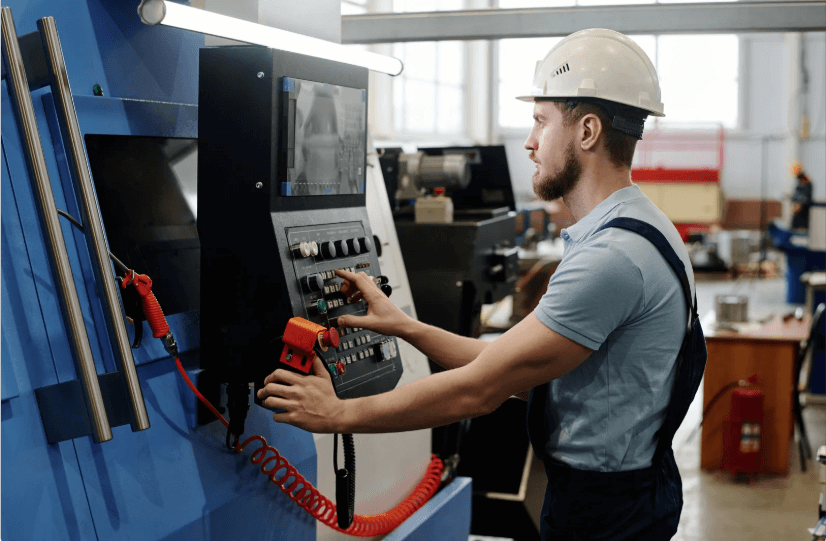
Consumer Appliance Plastic Mold Maker in China
We design and build plastic moulds for consumer electronics and appliances — set-top boxes, smartphones, GPS devices, digital cameras and home appliances. Cosmetic-surface tooling, efficient material use and multi-cavity moulds engineered for high-volume quality.

- Set-top boxes, phones, cameras, GPS
- Class-A cosmetic surfaces
- Material-efficient, low-scrap tooling
- Multi-cavity high-volume moulds
What we mold for consumer appliances
Consumer appliance and electronics parts are judged on fit and finish. We build tooling for the enclosures and components that customers see and handle every day.
Electronics housings
Set-top boxes, GPS devices, digital cameras and smartphone housings with cosmetic surfaces.
Appliance parts
Enclosures, panels, buttons and frames for home appliances.
Functional components
Internal structural and mechanical parts that must fit and assemble precisely.
Cosmetic surface and dimensional quality
Every appliance mould is built for a clean finish and precise specification — the two things that make a product stand out and assemble right.
- Fine-polished or textured cavities for Class-A finishes
- Gate placement that keeps weld lines off show surfaces
- Controlled cooling to avoid sink marks and warpage
- Tight, repeatable dimensions for clean assembly
Material efficiency and lower cost
A well-designed appliance mould improves material use and cuts waste every cycle — producing more parts from less material and lowering your cost per part. Uniform walls, right-sized cavitation and cooling tuned for short cycles do most of the work.
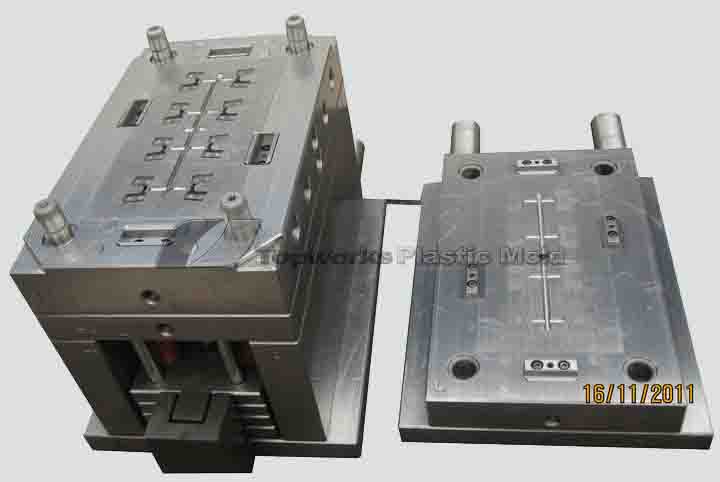
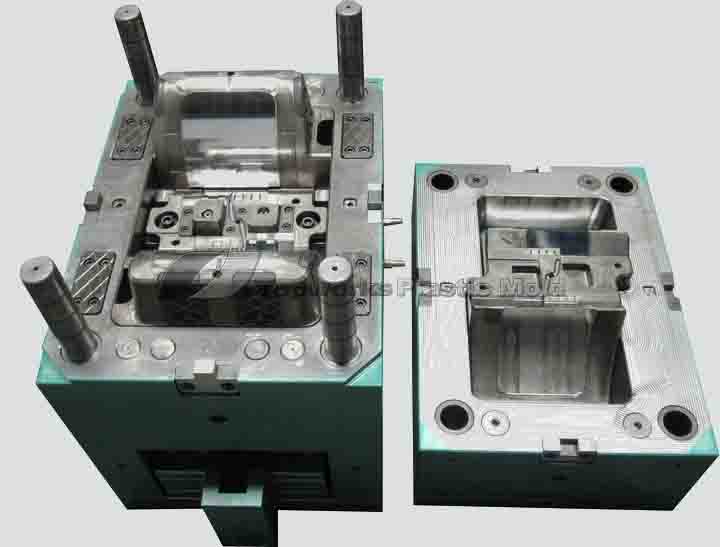
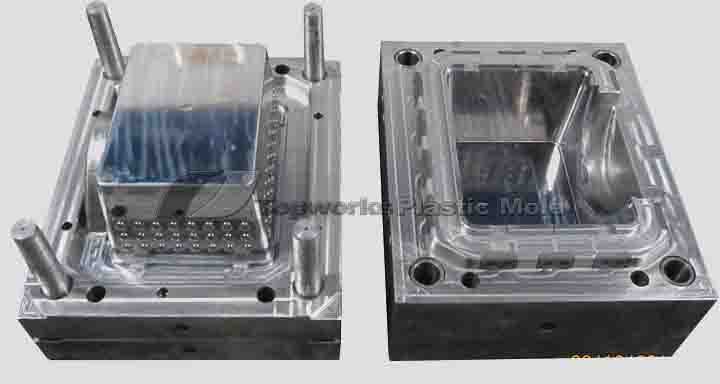
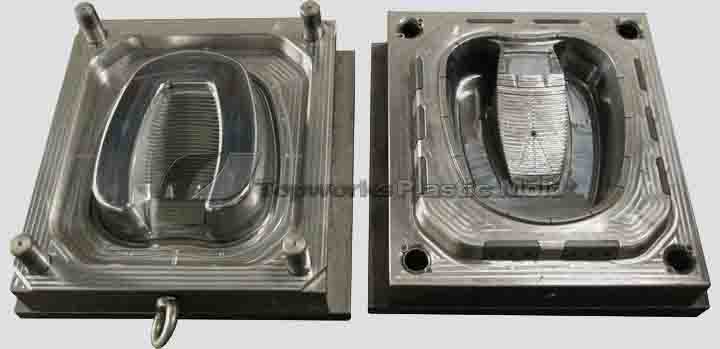
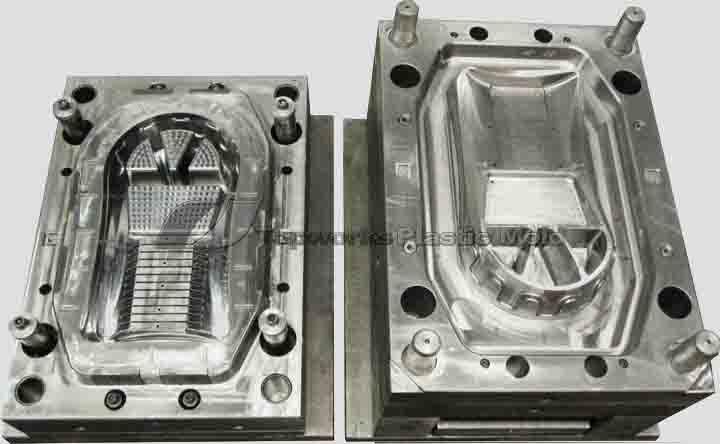
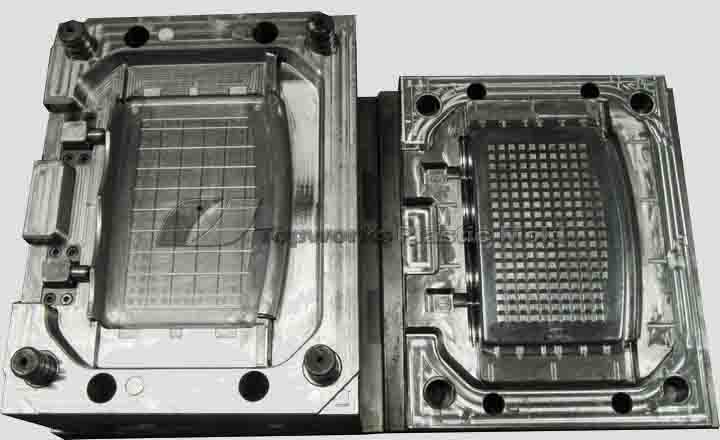
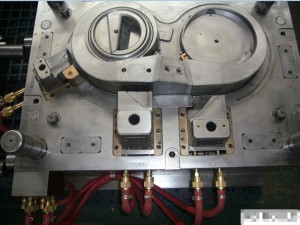
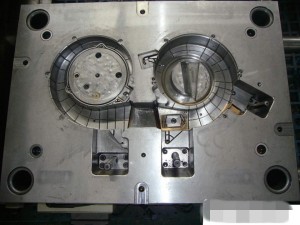
Consumer appliance mould gallery



Tooling a consumer product?
Send your part and volume. We’ll advise on material, surface finish and cavitation, and quote the mould.
- Electronics & appliance housings
- Class-A cosmetic tooling
- Multi-cavity high-volume moulds
Consumer appliance mold FAQ
What consumer appliance parts do you mold?
Housings and components for set-top boxes, smartphones, GPS devices, digital cameras and small home appliances — cosmetic enclosures, buttons, frames and functional internal parts.
Can you hold cosmetic (Class-A) surfaces on appliance parts?
Yes. Consumer-appliance enclosures are judged on finish, so we use fine-polished or textured cavities, careful gate placement to keep weld lines off show surfaces, and controlled cooling to avoid sink and warpage.
How do you keep appliance molding cost down?
By designing for efficient material use and short cycles — uniform walls, right-sized cavitation, and cooling tuned to reduce cycle time. Lower scrap and faster cycles cut the cost per part over the run.
Do you build multi-cavity molds for high-volume consumer products?
Yes. High-volume consumer electronics and appliance parts run in multi-cavity tools sized to your annual volume, with balanced feed so every cavity fills and packs equally.
What materials are typical for consumer appliance housings?
ABS and PC/ABS for rigid cosmetic housings, PC where clarity or heat resistance is needed, PP for lower-cost parts, and filled grades where stiffness matters. Resin is confirmed before the tool is cut.